
Puppy Socialization: Making the Most of 12 to 20 Weeks
Make the most of your puppy’s 12 to 20 week socialization window with safe exposure, positive pairing, and structured puppy classes in Las Vegas.
• Training
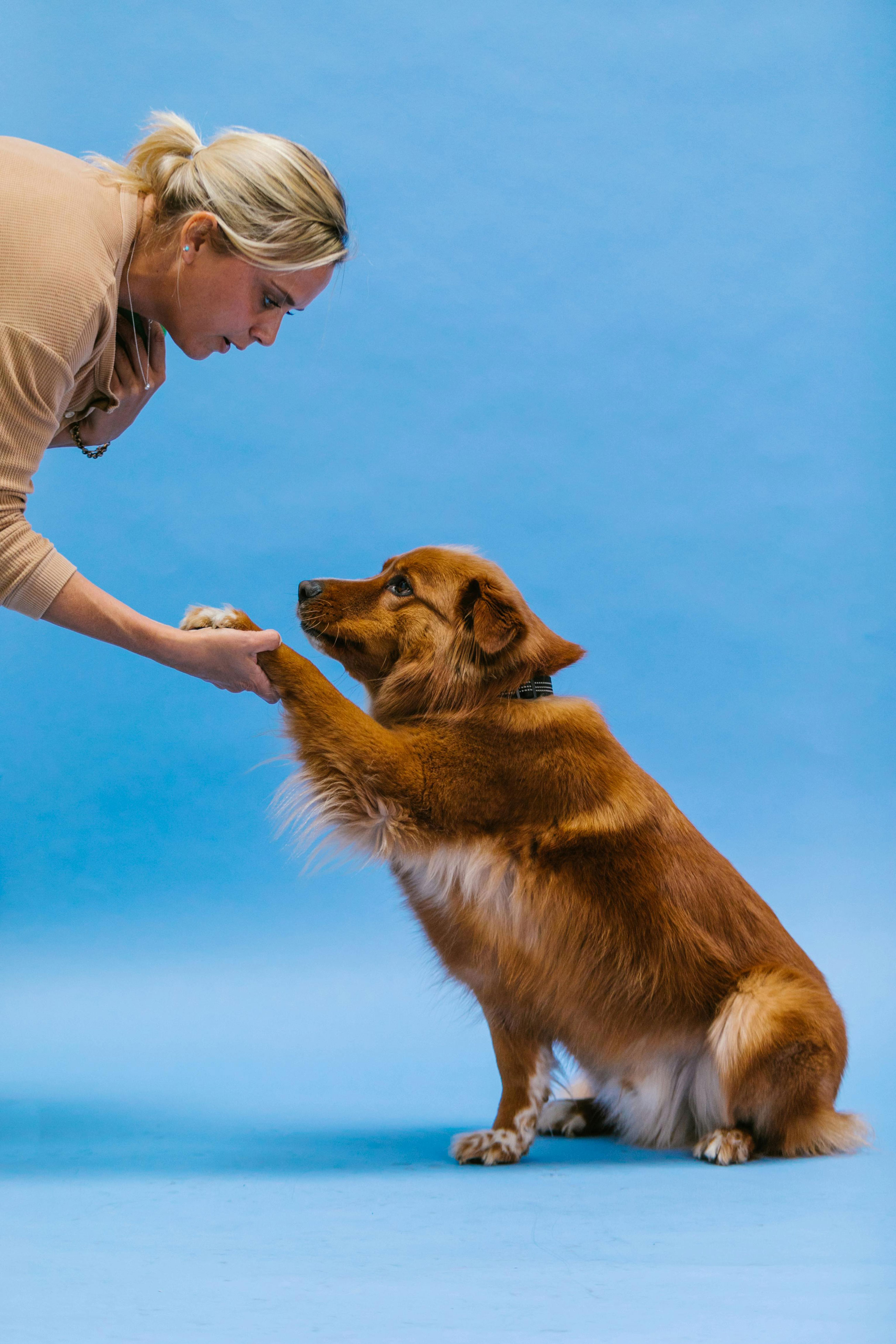
Between roughly 12 and 20 weeks old, your puppy is quietly building a mental map of what’s normal and safe. The people, sounds, surfaces, and handling they meet during these weeks shape how they react to the world for years. You don’t need a perfect plan. You need a steady stream of small, good experiences, and a little patience.
1) Why this window matters so much
Young puppies are naturally curious and recover quickly from mild surprises. As they get older, new things start to feel more suspicious. A puppy who never met a skateboard, a man in a hat, or a vacuum before five months old is far more likely to bark, freeze, or bolt when they finally do.
Socialization isn’t about meeting as many dogs as possible. It’s about teaching your puppy that new things usually lead to good things. That lesson is much easier to teach now than to fix later.
- Confidence: Puppies with broad, positive exposure tend to bounce back faster from the unexpected.
- Easier vet and grooming visits: Handling feels routine instead of scary.
- Fewer behavior problems later: Much of the fear and reactivity we see in adult dogs traces back to things they never got used to as puppies.
2) Safe exposure before vaccines are complete
Here’s the tricky part: the socialization window overlaps with the puppy vaccine series. Your puppy needs new experiences, but they aren’t fully protected yet. The answer is to be choosy about where, not to stay home. Your vet knows your puppy’s schedule and local risks, so follow their advice on what’s safe and when.
Low-risk ways to build experience right now:
- People: Invite friends over. Aim for variety: tall, short, kids (supervised), beards, hats, sunglasses, uniforms.
- Sounds: Play recordings of thunder, traffic, doorbells, and fireworks at low volume during meals, then raise it gradually over days.
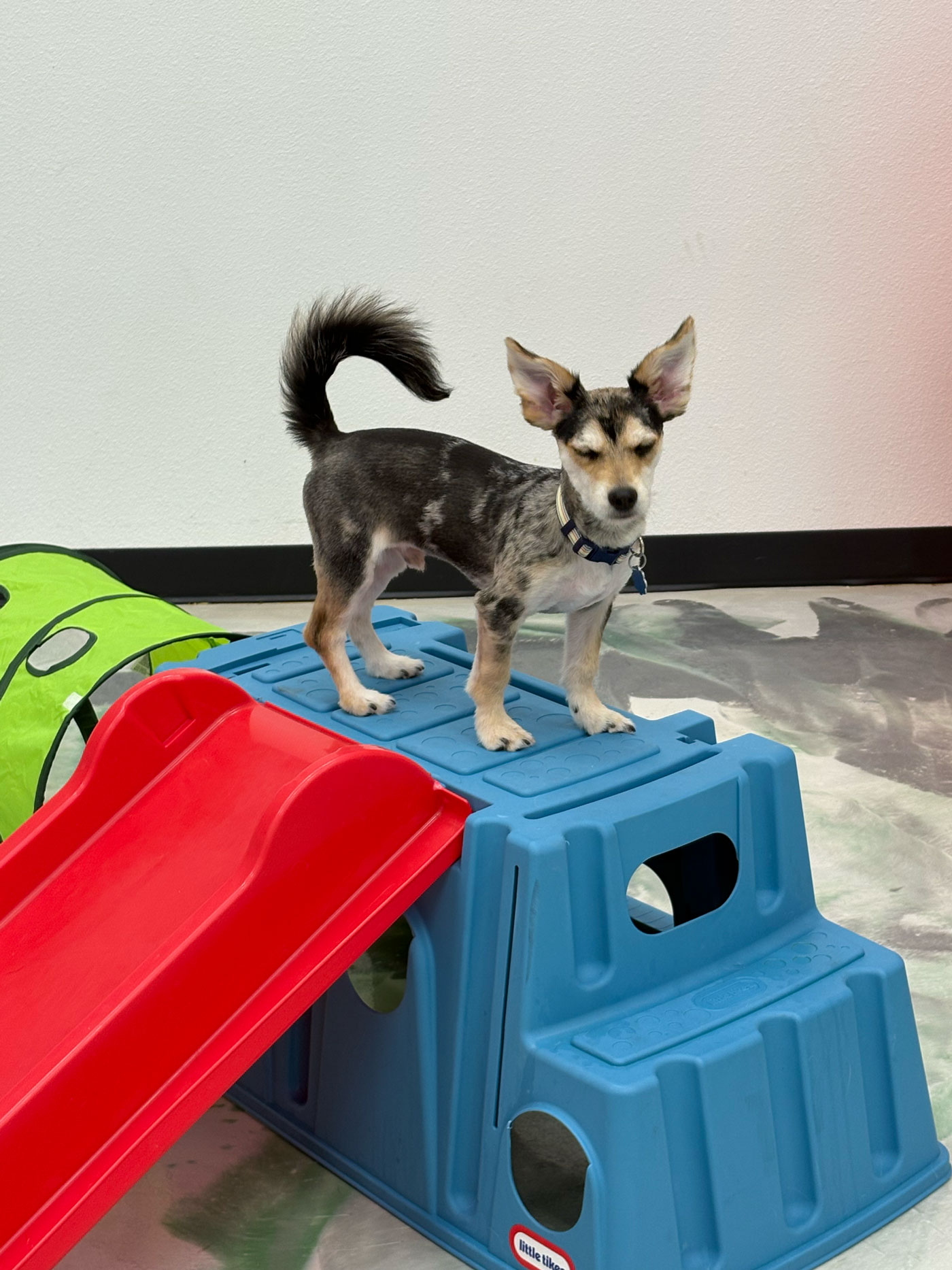
- Surfaces: Tile, carpet, grass, a wobbly cushion, a rubber mat, a low step. Let your puppy explore at their own pace.
- Handling: Touch paws, ears, mouth, and tail for a second or two, then treat. This makes future nail trims and grooming much easier.
- The world, from your arms: Carry your puppy or use a wagon or stroller to watch traffic, shopping carts, and people from a safe distance without touching the ground.
- Healthy, vaccinated adult dogs: A calm friend’s dog in a clean backyard is far safer than a busy dog park.
Good to Know
Skip dog parks and high-traffic dog areas until your vet says your puppy is protected. Unknown dogs and shared ground are where puppies pick up illnesses. Controlled, clean settings give you the benefits without the gamble.
3) Positive pairing: the heart of good socialization
Exposure alone isn’t enough. What your puppy feels during the experience is what sticks. The simplest tool is pairing: new thing appears, something great happens.
- Treat after the trigger: The truck rumbles by, then the treat comes. Order matters, so the new thing predicts the good thing.
- Let your puppy choose: If they want to sniff the umbrella, great. If they want to watch from a distance, that counts too.
- Keep it short: A few seconds of success beats ten minutes of worry.
- Use real food: Small, soft, tasty treats work better than dry kibble when things are new.
4) Avoiding overwhelm
More is not always better. One scary experience can undo several good ones, so watch your puppy, not the clock.
Signs your puppy has had enough:
- Tail tucked, ears pinned back, or body low to the ground
- Refusing treats they normally love
- Lip licking, yawning, or turning away repeatedly
- Trying to hide behind you or climb into your lap
- Sudden zoomies or frantic biting after a busy outing
When you see these, add distance, lower the intensity, or end the session on something easy. Never force your puppy to approach something they’re unsure about. Plenty of sleep matters too. Young puppies need a lot of it, and overtired puppies cope poorly with new things.
5) Why structured puppy classes help
Doing all of this alone is a lot, especially with a busy Las Vegas schedule. A well-run puppy class gives you a clean, controlled place to practice, with other puppies at the same stage and a trainer guiding each step.
- Small groups: Puppies meet peers without being swamped.
- Supervised play: Rough or shy puppies get guided so everyone learns good manners.
- Real skills: Name response, recall, leash basics, and settling down, practiced around distractions.
- Coaching for you: You leave each week knowing what to work on at home.
Our Puppy Foundations class is built for puppies 12–20 weeks old who are current on their age-appropriate vaccines. Bring your vet records to the first class. If you have questions about timing or your puppy’s shots, ask your vet first and then give us a call.
Learn more about our Las Vegas puppy training classes, our broader dog training programs, or contact us to find the next class start date. A few weeks of thoughtful, positive exposure now can give your puppy a lifetime of confidence.